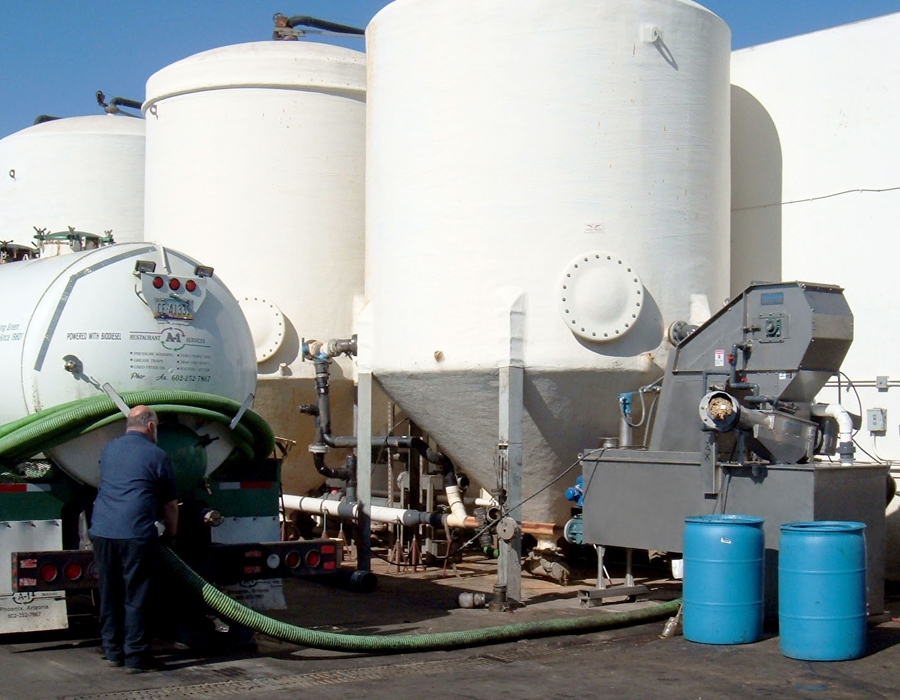
Lifecycle Cost Analysis: Septage Receiving Station

The use of a lifecycle cost analysis is a recommended method to procure wastewater equipment. In any large purchase the buyer should consider looking at the entire cost of ownership. Lifecycle cost captures the labor and replacement value over the timeframe of the equipment service life. A common example of this today is the purchase of an electric vehicle versus a vehicle with internal combustion engine.


How to Get the Right Screen for Your Wastewater Treatment Plant

In wastewater plant operations, a screen’s capture rate is defined by the amount of screenings captured and removed by the screen, divided by the total amount in the influent stream. Screening capture rates vary by screen type and grid opening size. This is why selecting the right wastewater screen type and grid opening is important to your overall plant performance. The screen is one of the first and best ways to ensure that your plant can effectively remove influent debris.

Why Wastewater Screen Sizing Matters

Every wastewater treatment plant aims for excellent operations. It’s what you and your team want, largely because it fulfills your obligation to the community you serve. Only through efficient and effective processes can your entire system do what it was designed for.

The Value and Benefits of Septage Technology

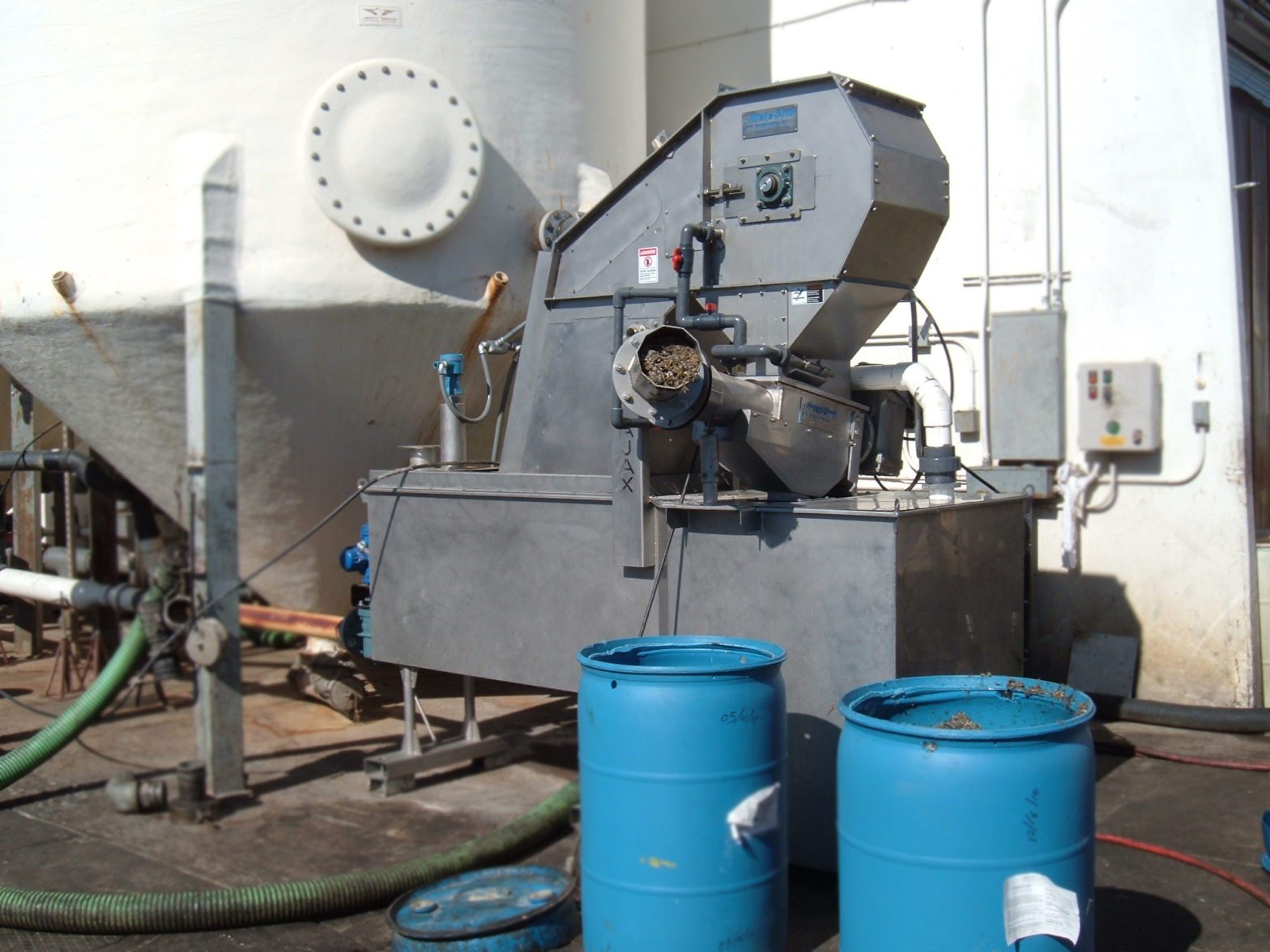
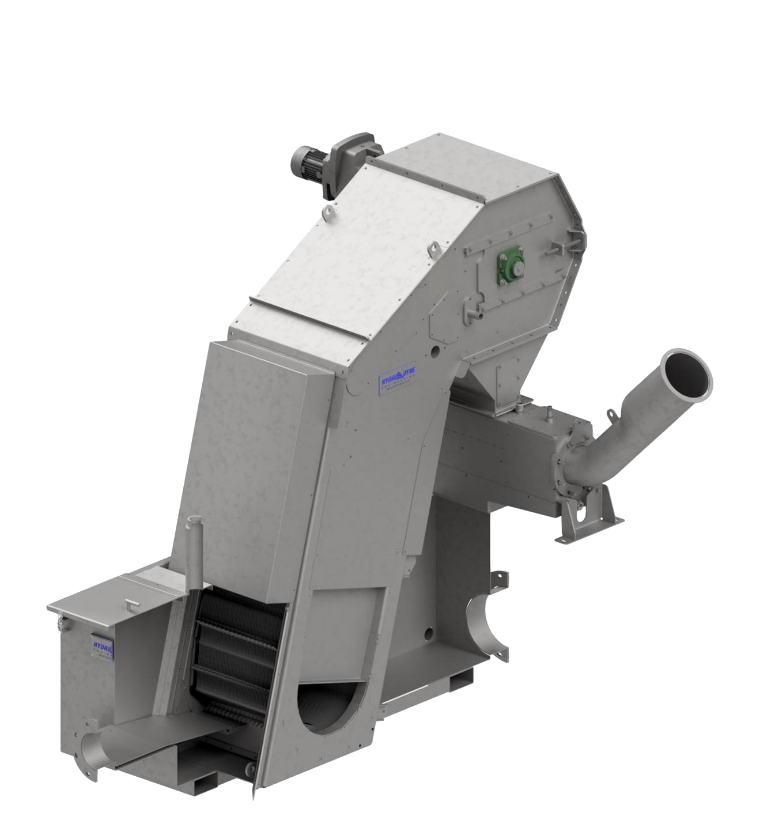
With more than 21 million septic systems in the US, many communities depend on liquid waste haulers to empty these septic systems and transport the non-hazardous liquid waste, or septage, to receiving stations. The purpose of a septage receiving station is to remove the trash present in the septage waste stream before it enters the treatment process.

Septage Receiving System Design Best Practices

Many wastewater treatment plants and other facilities make the decision to process septage before it enters the treatment process. They do so with a septage receiving station, which removes trash, with a compaction stage, which dewaters and reduces the volume of solid material produced. However, if the septage receiving system is not designed properly, it cannot deliver on the benefits. This blog post discusses some best practices for system design.

Challenges of Septage Receiving Stations

Septage requires special handling before it can be passed to wastewater treatment plants. Understand the unique challenges for septage receiving stations.

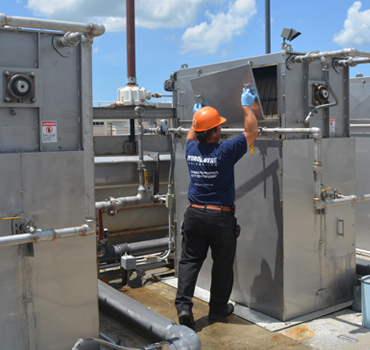
Screen Maintenance Improves Water and Wastewater Treatment Plant Performance

Screen Maintenance Improves Water and Wastewater Treatment Plant Performance Advances in screening technologies have been driven by the need to protect increasingly sophisticated downstream equipment by capturing and removing floating debris. Routine maintenance can dramatically improve water and wastewater treatment plant system processes. Water and Wastewater treatment plants worldwide are being asked to do more… Continue reading Screen Maintenance Improves Water and Wastewater Treatment Plant Performance

Portland, OR – Case Study

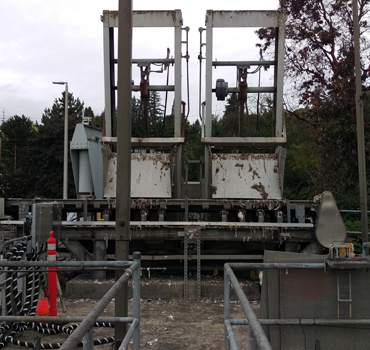
CASE STUDY: Hammerhead On-site Screen Sizing Provides Valuable Intel to Utility as it Expands to 50 MGD System – Demonstrates Solids Capture Improvement by as much as 90% SITUATION: The Tryon Creek Wastewater Treatment Plant is a 38 MGDactivated sludge plant servicing Portland, Oregon andsurrounding areas. The current headworks system at the facility consists of… Continue reading Portland, OR – Case Study

Albuquerque, NM – Case Study

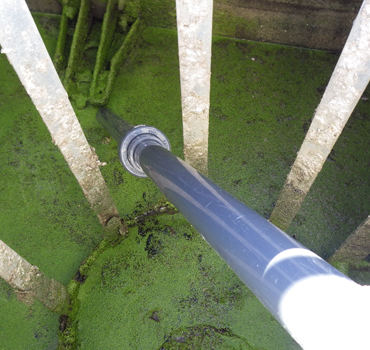
CASE STUDY: Hammerhead On-Site Screen Sizing Design Mitigates Algae Intrusion With Minimal Equipment Footprint SITUATION: Situated in the central part of the state, Albuquerque isthe most populous city in New Mexico with a populationof nearly 600,000. Due to a combination of windbornecontamination upstream and long residence times inthe clarifiers, algae growth is a major source… Continue reading Albuquerque, NM – Case Study

Tulsa Cherry Creek, OK – Case Study

CASE STUDY: Hydro-Dyne Heavy Duty Through Flow Screens Improve Debris Removal and Ease Maintenance Challenges at Tulsa’s Cherry Creek Lift Station SITUATION: The 45 MGD Cherry Creek Lift Station is one of several sites that pump wastewater to the Southside Wastewater Treatment Plant in southwest Tulsa, Oklahoma. Maintenance had become a serious issue: the single… Continue reading Tulsa Cherry Creek, OK – Case Study